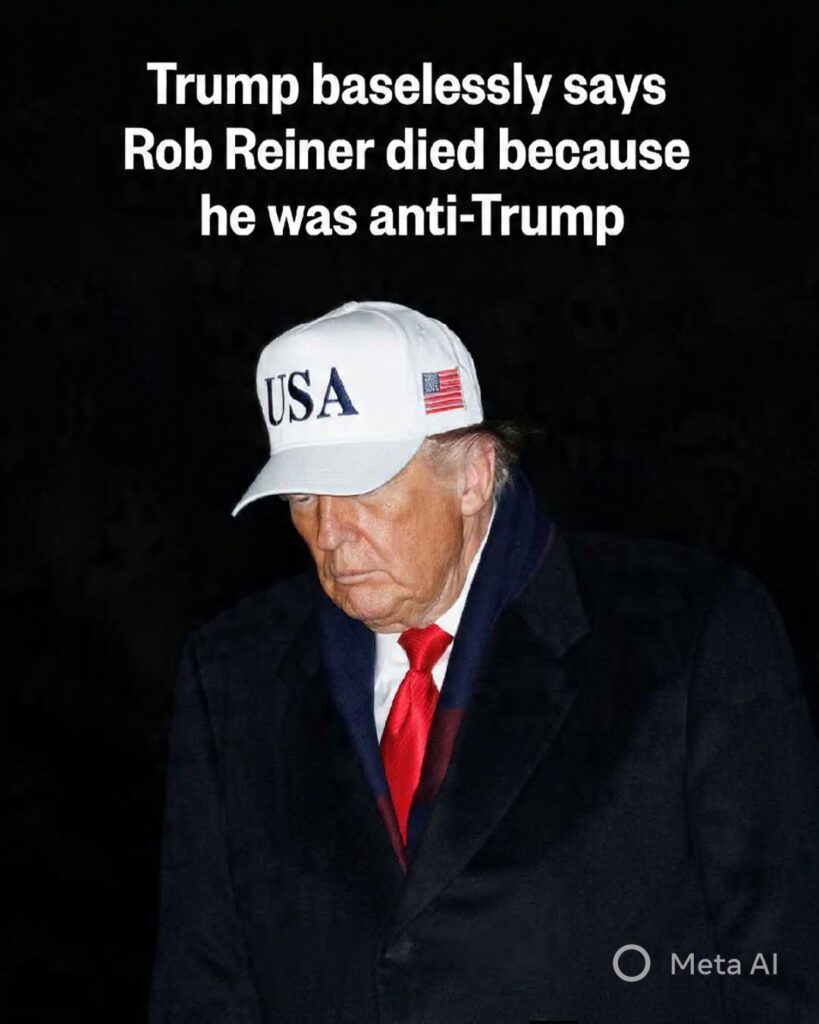
In moments of national tragedy or uncertainty, Americans often look to leaders for restraint and clarity. This week, however, controversy erupted after President Donald Trump made public comments about filmmaker Rob Reiner and his wife that authorities say are not supported by any verified information.
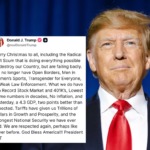
The episode began when Trump posted on his social media platform, Truth Social, reacting to reports circulating online about the deaths of Reiner and his wife. While law enforcement agencies have not confirmed those reports, Trump nevertheless suggested that Reiner’s outspoken criticism of him may have played a role.
Calling the situation “a very sad thing,” Trump went on to claim Reiner was killed because of “the anger he caused others,” attributing it to what he described as “Trump Derangement Syndrome,” or TDS. No evidence has been presented by police or investigators to support a political motive, and officials have not publicly confirmed that any crime involving Reiner has occurred.
That gap between rhetoric and verified facts is what quickly drew criticism.
“There is simply no public information from authorities backing up these claims,” one media analyst noted. “At best, the situation remains unconfirmed. At worst, it risks spreading misinformation during a sensitive moment.”
Who Is Rob Reiner?
Rob Reiner, a well-known Hollywood director and actor, has long been a prominent critic of Trump. Over the years, he has also been a significant donor to Democratic candidates and causes. Federal Election Commission records show that during the 2024 election cycle, Reiner contributed more than $150,000 to Democratic presidential candidates’ joint “victory fund.”
But Reiner’s political engagement has also included a clear rejection of violence.
After the assassination of conservative activist Charlie Kirk in September, Reiner publicly stated that violence is never an acceptable response to political disagreement, a position that earned acknowledgment even from some ideological opponents.
“That context matters,” said a longtime observer of Hollywood politics. “He was deeply political, yes—but he was also vocal about keeping politics from turning deadly.”
Reactions Across the Spectrum
While Trump’s remarks energized some supporters online, they also prompted discomfort among conservatives who chose to express condolences rather than speculate.
Several right-leaning commentators urged caution, emphasizing that facts should come from law enforcement—not social media posts. On the left, critics accused Trump of politicizing an unverified tragedy and inflaming tensions without evidence.
So far, authorities have remained silent beyond stating that there is no confirmed information supporting the claims being circulated.
A Familiar Pattern
The incident highlights a broader challenge in today’s media environment: how quickly speculation can outpace facts.
In an era where political figures speak directly to millions online, even unverified statements can take on a life of their own. As one veteran journalist put it, “Once something is said by a former or current president, it doesn’t matter how many disclaimers follow—it spreads.”
For now, what remains clear is this: there is no verified evidence linking politics, violence, or even a confirmed crime to Rob Reiner. Until authorities provide confirmed details, the story stands as a reminder of why facts—and patience—still matter.