“Where were you when you first heard Selena?”
For millions of fans, that question instantly unlocks a memory — a song on the radio, a cassette in the car, a dance at a family party, or a moment of heartbreak when the news broke. Even decades later, Selena Quintanilla isn’t spoken about like a celebrity from the past. She’s spoken about like someone personal.
Because for many people, she was.
“She didn’t just sing — she connected.”
Selena Quintanilla-Pérez was born on April 16, 1971, in Lake Jackson, Texas. From the start, music was part of her life. Her father, Abraham Quintanilla Jr., noticed her talent early, and by the age of eight, Selena was already performing with her family band, Selena y Los Dinos.
“She had this natural warmth,” people who knew her often say. “You felt it instantly.”
At first, Selena didn’t even speak fluent Spanish. She learned it phonetically while performing Tejano music — a genre deeply rooted in Mexican American culture. What could have been a barrier became part of her charm.
“She was learning with her audience,” one fan once said. “And we learned with her.”
“Tejano music wasn’t ready for a young woman — until it was.”
In the 1980s, Tejano music was dominated by men. Female performers were rare, and young women leading bands were even rarer.
Selena changed that.
With her powerful voice, vibrant stage presence, and unmistakable smile, she began winning over crowds across Texas and beyond. She didn’t just sing — she danced, joked with fans, and made every performance feel personal.
By her early twenties, Selena was no longer just popular — she was dominant.
She won multiple Tejano Music Awards, including Female Vocalist of the Year nine times in a row. In 1994, she made history by winning a Grammy Award for Best Mexican-American Album, becoming the first female Tejano artist to do so.
“That Grammy,” her brother A.B. Quintanilla later said, “was proof she had arrived.”
“She was about to cross over — the world was next”
By the mid-1990s, Selena stood on the edge of something even bigger. She was preparing an English-language crossover album, working with major producers, and attracting attention from mainstream pop audiences.
At the same time, she launched Selena Etc., a fashion boutique that reflected her personal style — bold, confident, and unapologetically herself.
“She wasn’t just an artist,” people close to her say. “She was building an empire.”
Her energy was infectious. Fans didn’t just admire Selena — they felt seen by her.
“March 31, 1995 — the day everything stopped.”
On March 31, 1995, Selena was shot and killed by Yolanda Saldívar, the president of her fan club, in Corpus Christi, Texas. She was just 23 years old.
The news stunned the world.
“I remember the radio going silent,” many fans recall. Vigils formed overnight. Crowds gathered outside hospitals. The grief was immediate and overwhelming.
Her funeral drew thousands. Her music surged across charts. And a question echoed everywhere:
“How could someone so full of life be gone?”

“Why do people still ask if Selena is alive?”
Even today, some fans ask questions like:
“Did Selena really die?”
“Is Selena Quintanilla still alive?”
That confusion isn’t ignorance — it’s longing.
Her presence remains so strong in music, fashion, and culture that it’s hard for some to accept how young she was when she left.
But the truth is painful and clear: Selena Quintanilla died in 1995.
What didn’t die was her influence.
“The legacy grew after she was gone.”
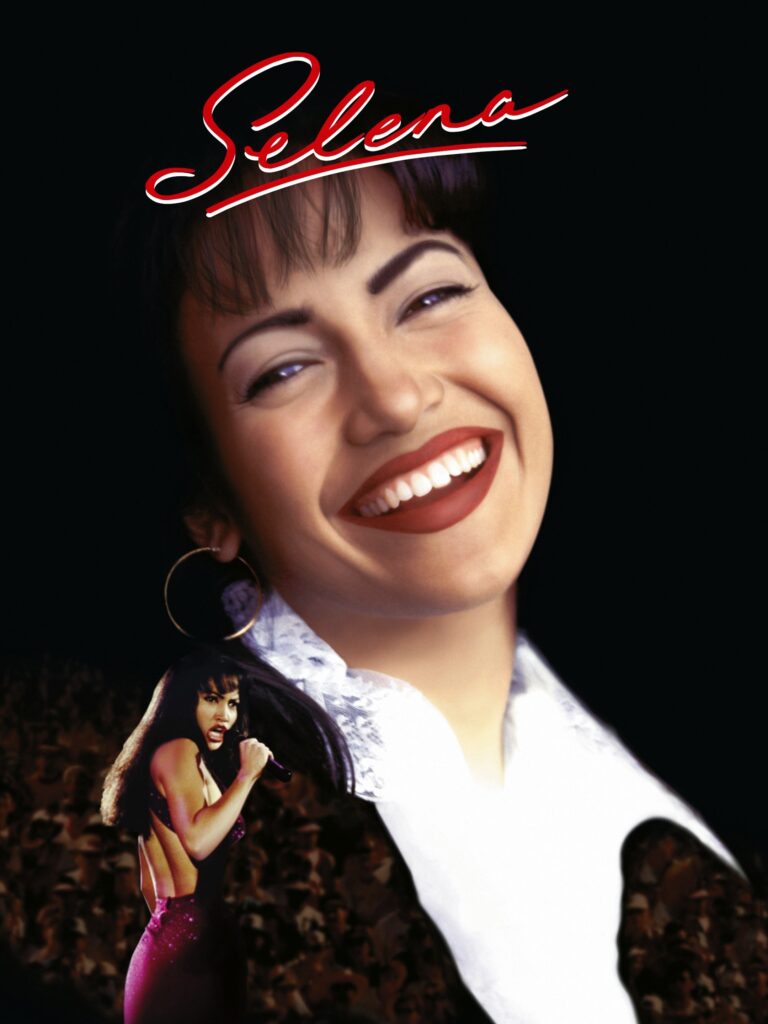
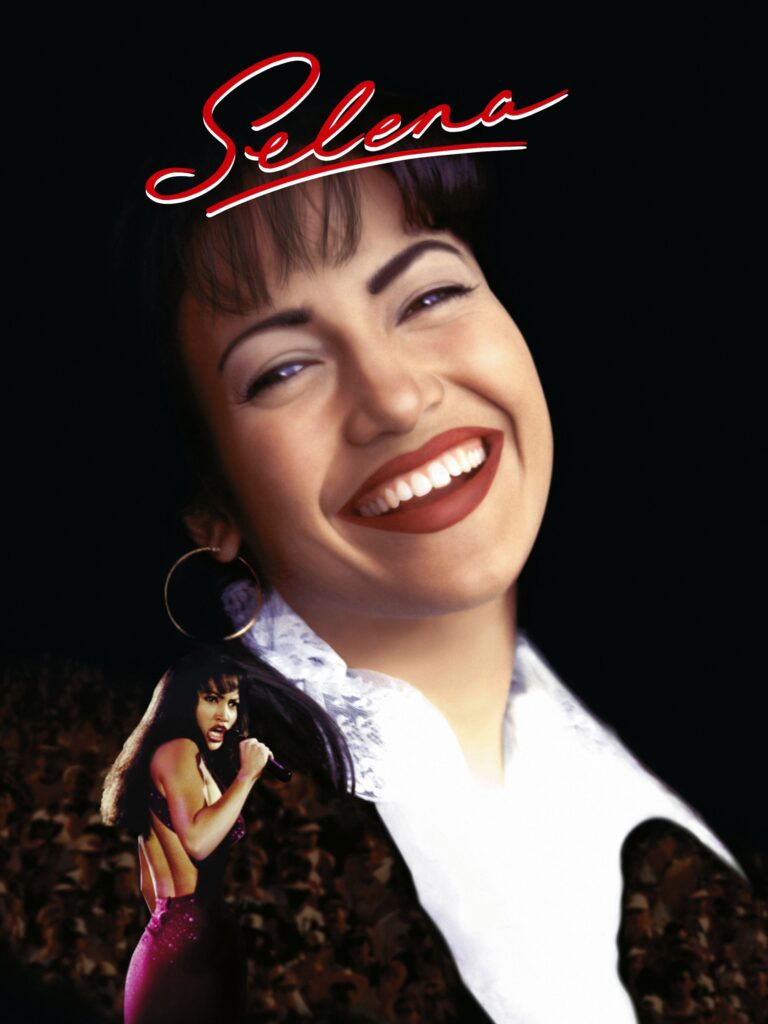
In 1997, the film Selena, starring Jennifer Lopez, introduced her story to the world. For many outside the Latino community, it was their first encounter with Selena — and they fell in love instantly.
Her albums continued to sell millions of copies. Songs like “Como La Flor,” “Bidi Bidi Bom Bom,” and “Dreaming of You” became timeless.
Her family — including her father Abraham and brother A.B. Quintanilla — worked to preserve her legacy, sometimes controversially, but always with the goal of protecting her story.
“She didn’t get to finish it,” Abraham once said. “So we carry it forward.”
“Why Selena still matters.”
Selena wasn’t just a singer. She was:
- A cultural bridge between English and Spanish-speaking worlds
- A symbol of pride for Mexican Americans
- A young woman who succeeded without losing kindness
Fans often say the same thing:
“She made us feel like we belonged.”
In an industry that can be cold and unforgiving, Selena was warmth.
A voice that never left
Today, Selena Quintanilla is remembered not as a tragedy — but as a force.
Her music still plays at weddings, family gatherings, and car rides. New generations discover her every year. And her smile — captured in photos, videos, and memories — still feels alive.
Selena didn’t just leave songs behind.
She left a feeling.
And that’s why, even decades later, people still talk about her like she’s here — because in many ways, she is.