
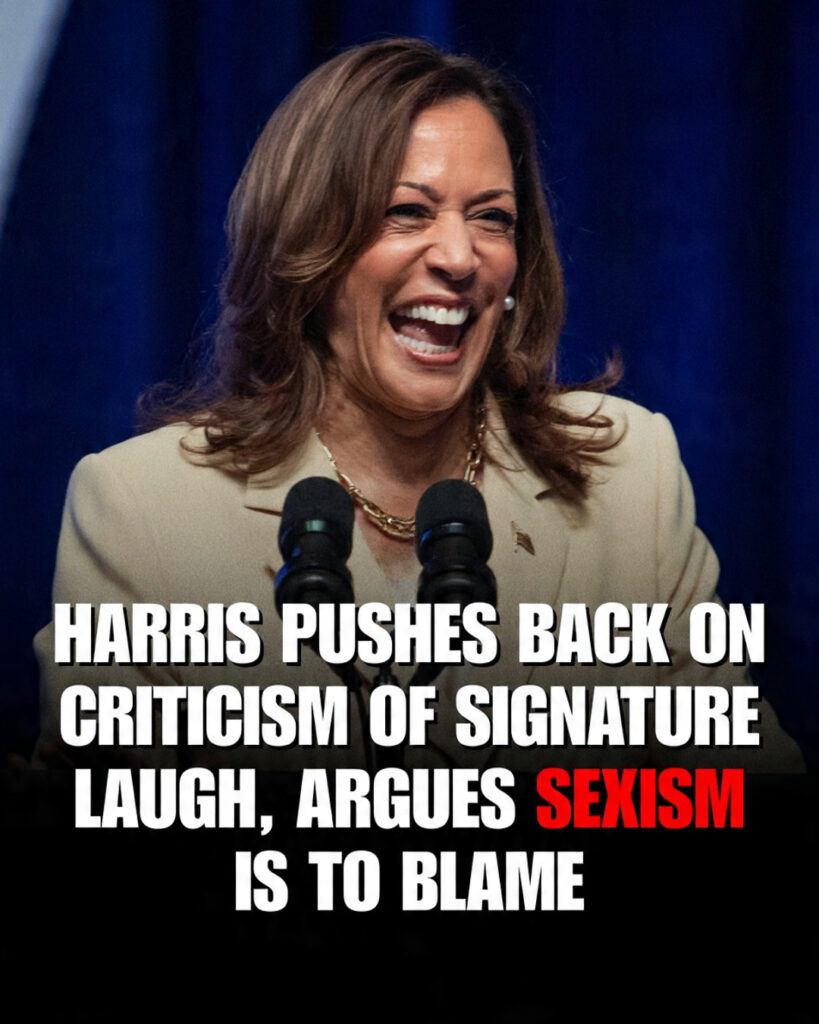
WASHINGTON, D.C. — Former U.S. Vice President Kamala Harris sparked fresh headlines this week after defending herself against criticism of her distinctive laughter, calling the mockery sexist and reflective of “out-of-touch standards” for women in public life. The comments came during her recent appearance on the “Rich Little Broke Girls” podcast, where Harris also shared personal reflections on gender expectations and offered dating advice to young women.
Harris — the first woman and first woman of color to serve as vice president — said that mocking her laugh or personal style is rooted in outdated ideas about how women “should” behave. Addressing a question about criticism that she lacks humility, she responded: “I don’t aspire to be humble. Humility, yes, is very important. [It’s] a very dated perspective on who women should be.”
She added that such criticism often reflects cultural expectations that women be quiet, unassertive, and reserved in their self-expression. “To say women should be humble. Women should be quiet. Women should laugh quietly… Women should not have a sense of humor… I have never felt burdened by those very dated, and I think out-of-touch standards,” Harris said in the conversation.
A Well-Known Public Trait
Harris’s robust laugh has been a recurring topic in national media and political discourse for years. Observers and critics have noted her distinctive laughter — often described as a cackle or guffaw — as one of her most recognizable personal traits, which she has publicly attributed to her mother.
The laughter first gained widespread attention in the public eye during her vice presidency and subsequent 2024 presidential campaign. Clips and memes featuring the laugh circulated widely across social media platforms, becoming part of broader conversations about her public image.
Podcasts, Politics, and Personal Reflections
On the podcast this week, Harris went beyond defending her laugh. She tied criticisms of her personality to broader societal expectations placed on women — particularly those in positions of leadership. Her remarks touched on issues of gender norms, self-expression, and the pressures women face when they deviate from traditional behavioral expectations.
Harris also shared personal dating advice, drawing on her own life experiences. Married to attorney Doug Emhoff since 2014, she emphasized the importance of kindness, shared humor, and enjoying simple, everyday moments with her partner. She reflected that people may be ready for different types of relationships at different points in their lives, and encouraged listeners to embrace those phases.
Context of Criticism and Support
Criticism of Harris’s laugh is not new. During her 2024 campaign for the Democratic presidential nomination, the former vice president largely avoided framing her candidacy around gender politics, even as commentators and opponents occasionally spotlighted her laughter or speaking style. New York Post
Some conservative voices and commentators have previously mocked Harris’s laugh as a humorous or awkward personality trait, while others — particularly supporters — argue that such critiques reflect deeper biases about how women, particularly powerful women, should comport themselves in public life.
Social scientists and cultural commentators have long noted that women leaders often face harsher scrutiny over tone, demeanor, and emotional expression than their male counterparts — a dynamic Harris referenced indirectly in her podcast remarks. Critics of sexist commentary about female leaders argue that such scrutiny reinforces harmful gender stereotypes and discourages authentic self-expression.
Broader Implications
Harris’s comments this week have reignited debate about gender and political discourse in the United States. Supporters applaud her for challenging what she described as antiquated norms, while detractors argue that public figures, regardless of gender, should expect personal traits to become part of public conversation. Either way, the episode underscores how personal style and public perception remain highly politicized in American media culture.
As Harris’s influence in Democratic circles continues — despite her loss in the 2024 presidential primary — her stance on these broader cultural issues is likely to remain a point of discussion in political and media commentary.