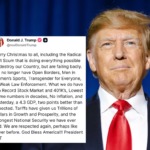
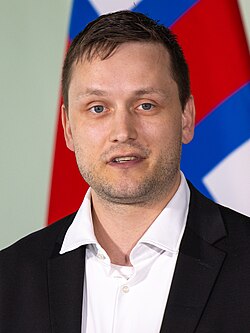
Greenland’s prime minister, Jens-Frederik Nielsen, said he was “sad” and disappointed this week after President Donald Trump renewed his interest in acquiring the vast Arctic island, escalating a long-running geopolitical debate that has drawn firm resistance from both Greenlandic and Danish leaders.
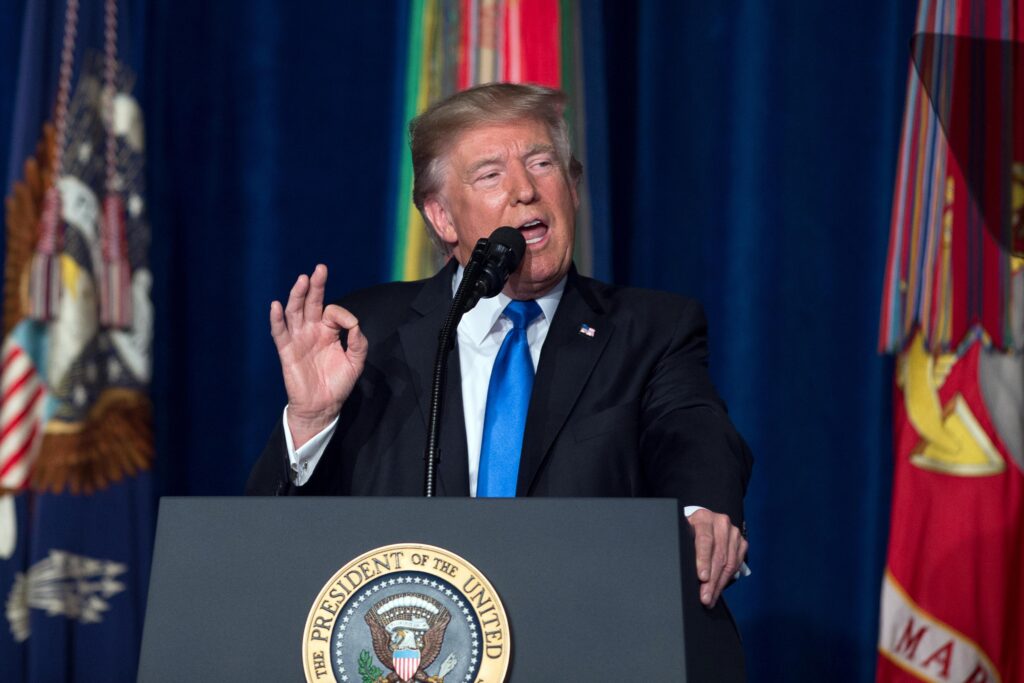
Nielsen made his remarks in a Facebook post on Tuesday, a day after Trump asserted that the United States “needs Greenland” for national security reasons. The president also announced that Louisiana Governor Jeff Landry would serve as a special envoy to the island, tasked with what Trump described as helping to “lead the charge” on Arctic engagement.
Greenland, an autonomous territory within the Kingdom of Denmark, has a population of roughly 57,000 people and occupies a strategic position between North America and Europe. Though sparsely populated, the island has become increasingly important amid rising global competition in the Arctic, driven by climate change, emerging shipping routes, and access to critical natural resources.
In his post, Nielsen stressed that Greenland is not for sale and reiterated the island’s right to determine its own future. “Greenland belongs to the Greenlandic people,” he wrote, underscoring a message that has been consistently echoed by local leaders since Trump first floated the idea of acquiring the territory during his first term in office.
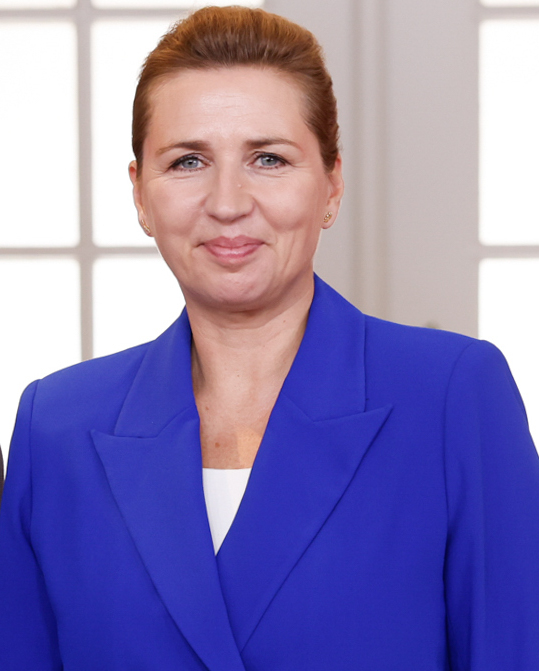
Danish Prime Minister Mette Frederiksen has also repeatedly rebuked Trump’s proposals. She has described the notion of selling Greenland as “absurd” and emphasized that any discussion about the island’s future must respect international law and the principle of self-determination. Following Trump’s latest comments, Danish officials again signaled that Copenhagen sees no basis for negotiations over sovereignty.
Trump originally raised eyebrows in 2019 when he suggested the United States might purchase Greenland, drawing comparisons to historical land deals such as the Louisiana Purchase. At the time, the idea was widely dismissed by Denmark and Greenland, though Trump argued that the island’s strategic value justified exploration of the concept. In his second term, the rhetoric has gone further, with Trump publicly floating the idea of annexation rather than purchase—language that has intensified diplomatic sensitivities.
Supporters of Trump’s position argue that Greenland’s location is critical to U.S. missile defense, Arctic surveillance, and countering the growing influence of rival powers in the region. The United States already maintains a military presence at Thule Air Base, now known as Pituffik Space Base, which plays a key role in early warning systems and space operations.
Critics, however, say Trump’s approach risks alienating close allies and undermining long-standing transatlantic relationships. They argue that security cooperation in the Arctic can be strengthened through partnerships with Denmark and Greenland rather than through provocative sovereignty claims. Some analysts also warn that talk of annexation could fuel regional instability at a time when Arctic governance depends heavily on cooperation and trust.
For Greenlanders, the renewed attention has reignited complex conversations about autonomy, independence, and economic development. While many welcome investment and security cooperation, there is broad consensus across the political spectrum that decisions about Greenland’s future should be made in Nuuk, not Washington or Copenhagen.
As the diplomatic back-and-forth continues, Nielsen has called for dialogue grounded in mutual respect rather than speculation about ownership. His message reflects a broader sentiment among Greenlandic leaders: engagement with the United States is welcome, but only as a partner—not a proprietor.
The controversy underscores how climate change and global power shifts have transformed Greenland from a remote Arctic territory into a focal point of international politics. Whether Trump’s latest move leads to meaningful cooperation or further friction remains to be seen, but one point is clear—Greenland’s leaders are determined to assert their voice as global interest in the island continues to grow.